
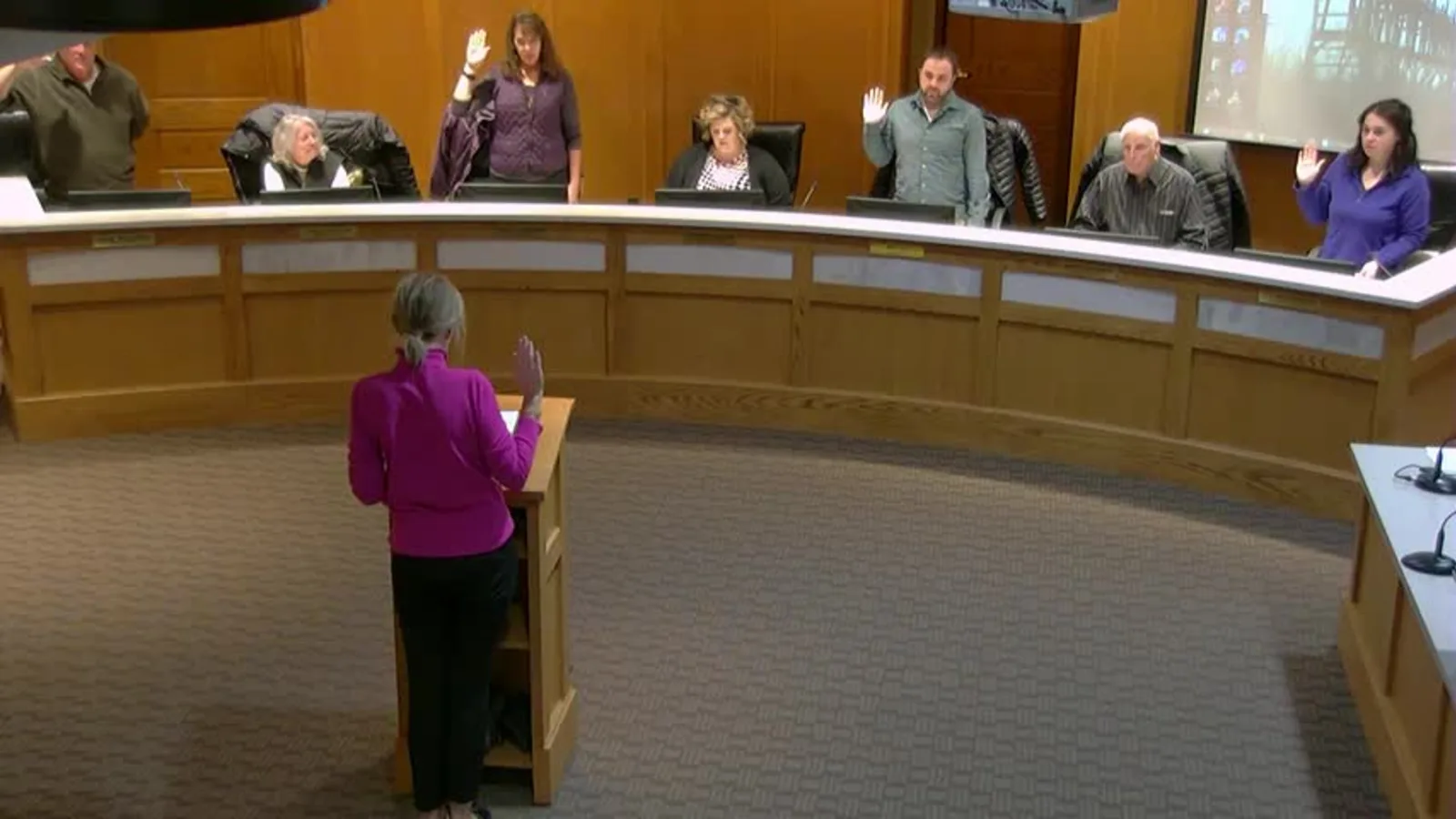
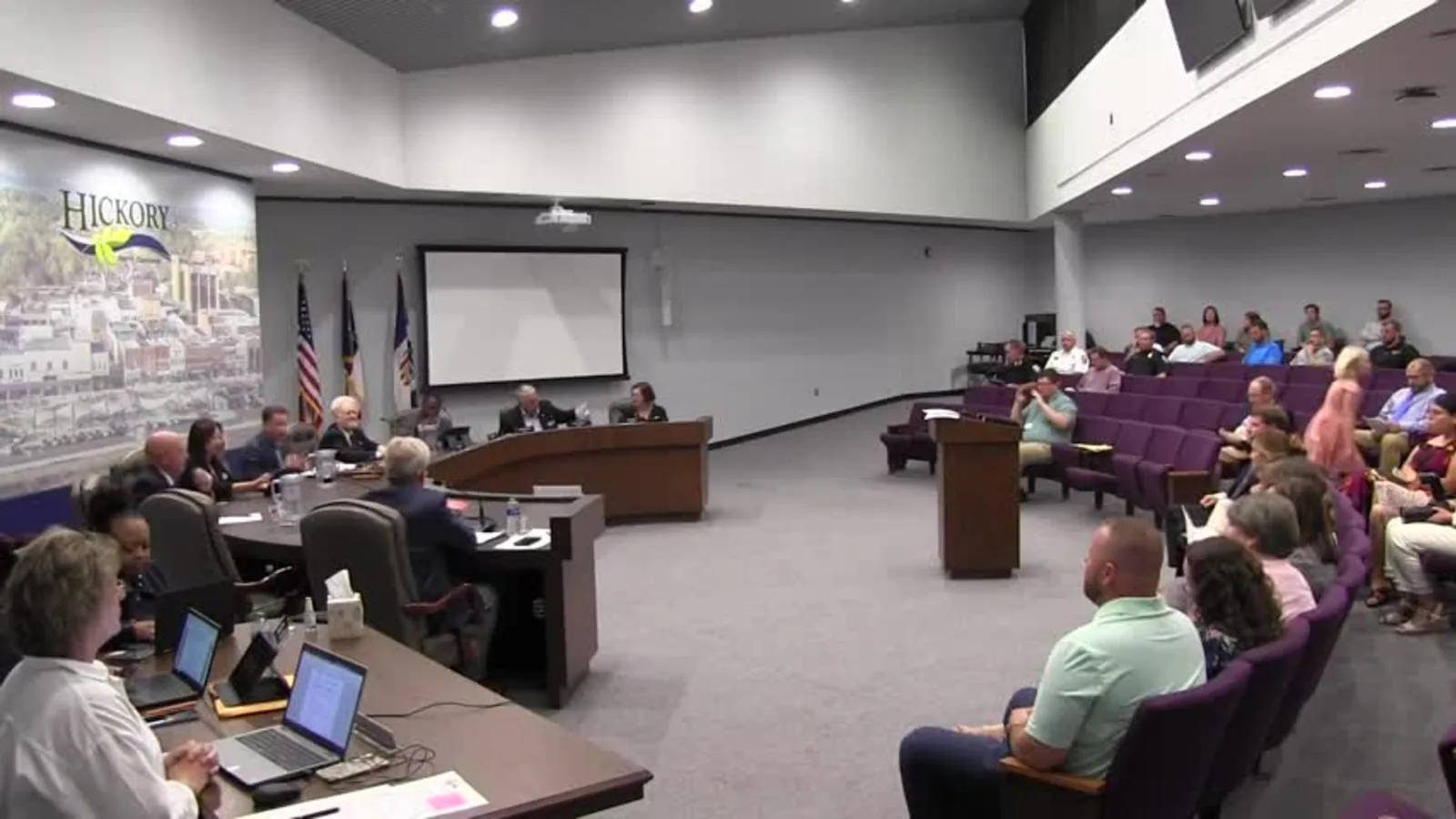
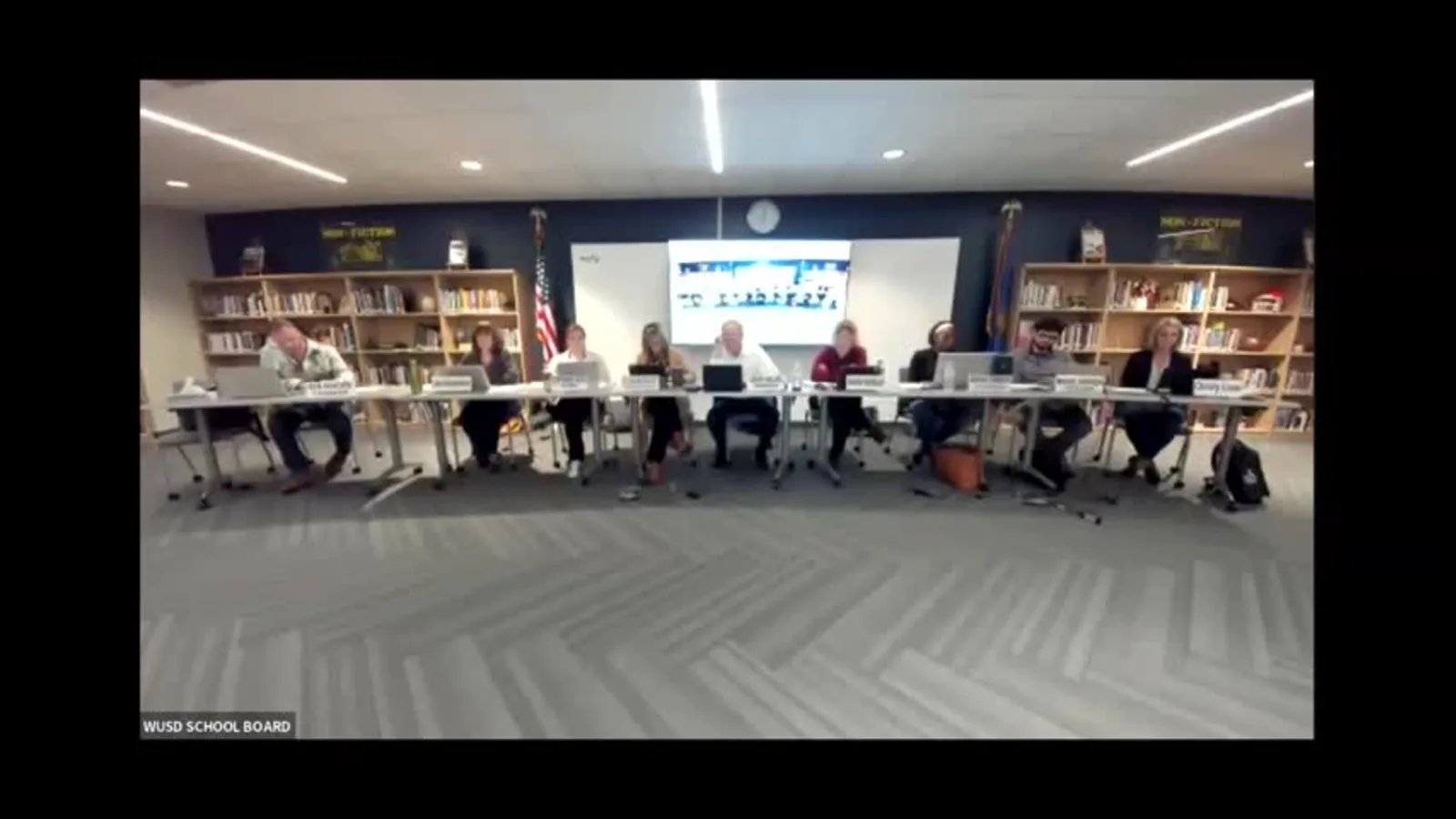
Transcribe a Hybrid Meeting, In Person and Remote
A hybrid meeting mixes people sitting in a room with people joining by video call. ScreenApp turns the recording of that meeting into a transcript with each speaker labeled, whether they spoke into the room or called in on Zoom, Google Meet, or Microsoft Teams.
The reliable way to get one unified transcript is to run the whole meeting through a single video call, so the room’s microphone and the remote callers all feed into that one recording. ScreenApp doesn’t merge a separate room recording and a separate remote recording into one transcript after the fact, so if you record the room and the call separately, each recording gets its own transcript.
What you get:
- A transcript with speaker identification, in 100+ languages
- AI chat with any recording, so you can ask what was said instead of scanning the whole transcript
- AI notes: action items with an owner and deadline, and decisions listed separately
- Export as PDF, DOCX, TXT, SRT and VTT
- Free plan: 2 transcriptions of recordings up to 45 minutes each, with AI chat on both
How to Transcribe a Hybrid Meeting
- Run the meeting through one call: Put the meeting on Zoom, Google Meet, or Microsoft Teams so both the room and the remote participants are on the same call, then connect the meeting bot for Zoom, Google Meet and Microsoft Teams to that call. It records as a visible participant, the same way any other meeting bot does.
- Or upload a recording you already have: If the meeting was recorded a different way, upload the audio or video file (MP4, M4V, MOV, AVI, WEBM, MKV, FLV, TS, MTS, M2TS, 3GP, 3GPP, 3G2, WMV, ASF, VOB, OGV, RM, RMVB, MPG, MPEG, M2V, F4V, MXF) and it transcribes the same way.
- Review and export: Speaker labels split the transcript by who spoke. Correct a name in the online editor, then export as PDF, DOCX, TXT, SRT and VTT.
Accuracy depends on how well the room’s microphone reaches everyone in it. A dedicated conference microphone or a headset for each remote caller gets a cleaner result than a single laptop mic across a large room. See how we measure accuracy.
Hybrid Meeting Transcription vs Other Apps
| Feature | ScreenApp | Otter.ai | Fireflies.ai | Tactiq |
|---|---|---|---|---|
| Free plan | 2 transcriptions, up to 45 min each | 300 min/month | 400 min storage, 20 AI credits/month | 10 transcripts/month |
| Platforms | meeting bot for Zoom, Google Meet and Microsoft Teams | Zoom, Microsoft Teams, and Google Meet | Zoom, Google Meet, and Microsoft Teams | Google Meet, Zoom, and Microsoft Teams |
| Bot-free option | Chrome extension that records tab, screen, mic and camera | desktop app records without a bot joining the call | Chrome extension recording without the Fireflies bot | No bot joins the call |
| AI notes | Included | Pro, $8.33/month billed annually, or $16.99 monthly | Included | Included |
| Paid plan | $19/month annual | $8.33/month annual | $19/month annual | $8 per user/month annual |
Sources, checked 2026-10-09: ScreenApp pricing, ScreenApp meeting bot repository, Otter pricing, Fireflies pricing, Fireflies free plan guide, Tactiq plan guide, Otter meeting assistant, Fireflies integrations, tactiq.io/speech-to-text, ScreenApp Chrome extension, tactiq.io/pricing, Fireflies home page, Tactiq home page
- vs Otter.ai: Otter’s free plan caps you at 300 minutes a month, and its bot joins Zoom, Microsoft Teams, and Google Meet. ScreenApp’s free plan is 2 transcriptions of recordings up to 45 minutes each with AI chat included.
- vs Fireflies.ai: Fireflies joins Zoom, Google Meet, and Microsoft Teams and offers a Chrome extension recording without the Fireflies bot as an alternative. Pricing starts at $19 a month billed annually for its Business plan.
- vs Tactiq: Tactiq reads meeting audio from Google Meet, Zoom, and Microsoft Teams without a bot joining the call, and its free plan gives 10 transcripts a month.
Who Uses Hybrid Meeting Transcription
Global companies with an office and a remote workforce use it to keep one record of meetings where some staff sit in a conference room and others dial in from another city.
Project managers running a mixed steering committee use the transcript so in-person and remote stakeholders can check what was agreed without re-listening to the recording.
Universities and training teams transcribe hybrid classes and seminars, where some students sit in the lecture hall and others join the video call, so everyone gets the same written record.
Boards and committees that meet in person with some members dialing in use the transcript to confirm what was decided and who said it.
Any hybrid team running a weekly meeting where the mix of in-office and remote attendees changes week to week can search past transcripts instead of relying on whoever took notes that day.