Tag and Search Your Whole Video Library
An AI video indexer goes through a video once and turns it into something you can search: a transcript, on-screen text, topic tags, and chapters, all attached to the file in your library. Upload a video or paste a link, and AI reads video frames, not just the audio
Once a video is indexed it sits alongside everything else you have uploaded. search across recordings by name or transcript, so finding a moment in a library of hundreds of recordings does not mean opening each one and scrubbing through it.
What you get:
- A transcript with speaker labels, in 100+ languages
- AI reads video frames, not just the audio
- chapters with timestamps
- AI highlights and automatic bookmarks
- one AI chat that searches and answers from every recording in your library, or a single folder
- Export as PDF, DOCX, TXT, SRT and VTT (Paid plans only)
- Free plan: 2 transcriptions of recordings up to 45 minutes each, with AI chat
How to Index a Video Library
- Upload or paste a link: Add a video file, or paste a link from YouTube, Vimeo, TikTok, Instagram, Facebook and most other public video links (Twitch, Loom, Dropbox, Google Drive, Pinterest, X, Threads, Douyin, Kuaishou, Bilibili) through a generic importer.
- Let the AI process it: The AI reads the audio and the frames, so text and detail that only appear on screen still get indexed. Tags and chapters are generated from what it finds.
- Search or ask: Type a keyword to find the video and the matching moment, or ask the AI chat a question and get pointed to the timestamp it came from.
Indexing quality follows the source: clear audio and readable on-screen text tag reliably, while a noisy recording or small, fast-moving text produces gaps. See how we measure accuracy.
AI Video Indexer vs Other Tools
| Feature | ScreenApp | Google Cloud Video Intelligence | Microsoft Azure Video Indexer |
|---|---|---|---|
| AI chat across the library | one AI chat that searches and answers from every recording in your library, or a single folder | Not stated | Not stated |
| Free tier | 2 transcriptions, up to 45 min each | 1,000 minutes/month | 10 hours (website), 40 hours (API) |
| Paid price | $19/month annual | Not stated for text detection | Not stated for website use |
| Output | PDF, DOCX, TXT, SRT and VTT | JSON via API | JSON via API |
Sources, checked 2026-09-17: ScreenApp pricing, cloud.google.com/video-intelligence/pricing, azure.microsoft.com/en-us/pricing/details/video-indexer/
- vs Google Cloud Video Intelligence: Google’s API gives 1,000 minutes free a month, then charges per minute, and expects a file uploaded to a storage bucket and an API call to read the result. ScreenApp is a browser tool: upload a file or paste a link and read the transcript and tags directly.
- vs Microsoft Azure Video Indexer: Azure gives 10 free hours through its web portal and 40 through the API, and its public pricing page does not list a rate past the free tier, so budgeting further use needs a sales quote. ScreenApp’s paid plan is a flat $19 a month billed annually.
Who Uses an AI Video Indexer
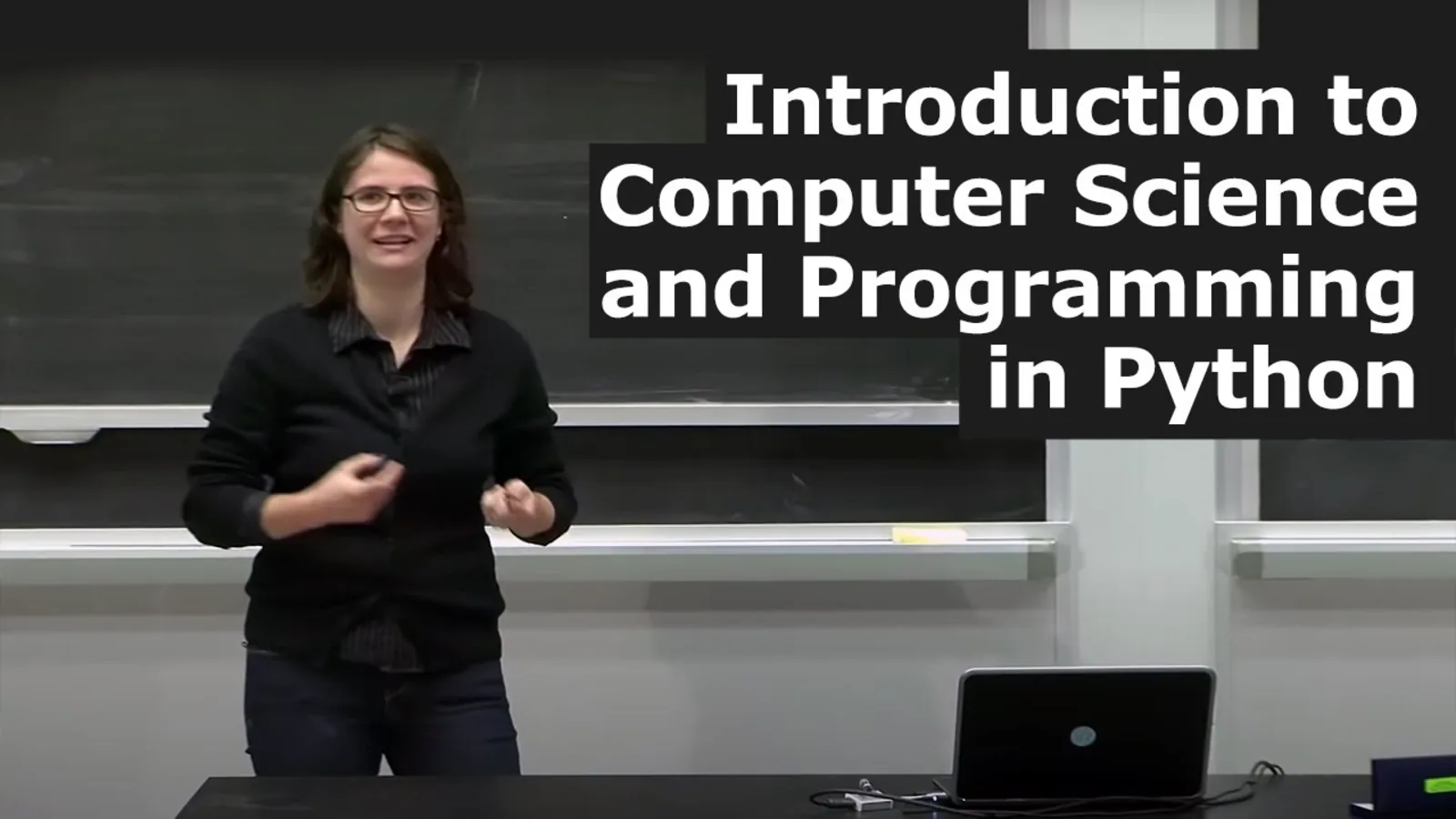
Educational institutions index full course catalogs so students can search across every recorded lecture for a topic or explanation instead of rewatching a semester of video.
Media and production teams index archive footage so a producer can search thousands of hours of interviews and b-roll for a quote or a scene by keyword instead of scrubbing through tapes.
Corporate teams index meeting recordings, training videos, and presentations into a searchable library that new hires and existing staff can query instead of asking around for who covered a topic.
Legal teams index deposition and evidence video so a specific statement or exhibit can be located across a case file by searching the transcript rather than watching every hour of footage.
Content creators index a back catalog of uploads so they can find a past clip to repurpose by searching for the line or the moment rather than remembering which file it is in.