
Get Homework Answers from a Lecture or a PDF
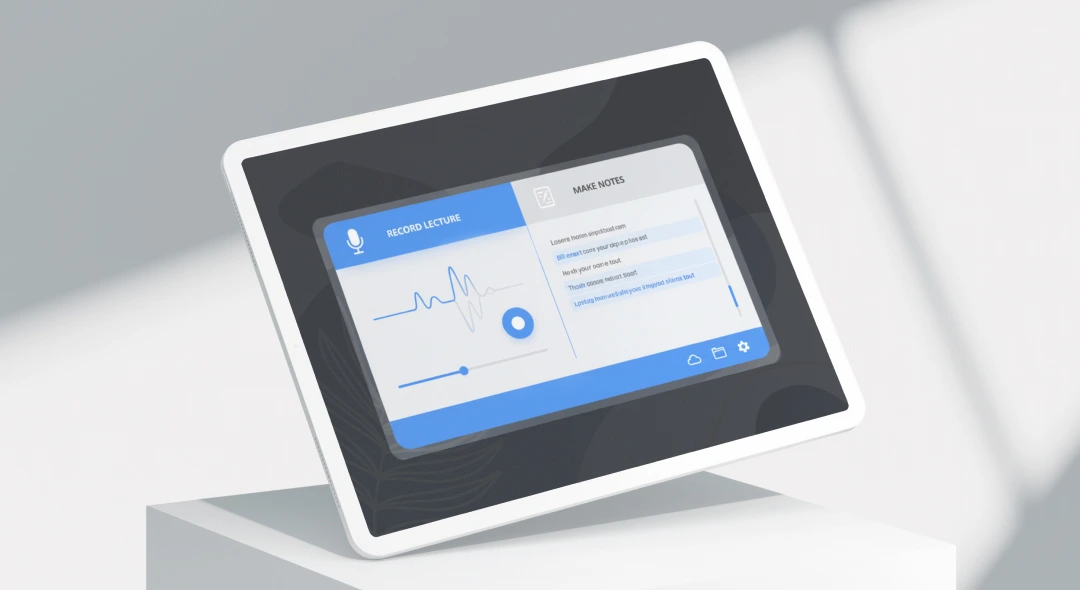
A general chatbot only sees what you type. This homework helper reads the actual class material: upload a recorded lecture, paste a YouTube link, or add a PDF, and ask your question about it directly. The AI AI reads video frames, not just the audio in a video, and PDFs and office documents are converted so they can be read and chatted with, the same as a recording for a PDF, so it can answer from what your instructor actually said or wrote, not a generic explanation of the topic.
Ask a question once and the chat stays open, so a follow-up like “what about the next step” does not need a re-upload. Every answer that comes from a recording links back to the moment it was said.
What you get:
- AI chat with any recording, and one chat that searches across your whole library or a single folder (one AI chat that searches and answers from every recording in your library, or a single folder)
- Answers from videos, audio, and PDFs, with timestamp links back to the source recording
- A transcript in 100+ languages for anything you upload or record
- Exports as PDF, DOCX, TXT, SRT and VTT
- Free plan: 2 transcriptions of recordings up to 45 minutes each, with AI chat
How to Get Homework Help from Your Class Materials
- Add your material: upload a video of a lecture, paste a YouTube link, or upload a PDF study guide or textbook chapter.
- Let it process: the recording is transcribed and the PDF is read by the AI, ready a few minutes after upload.
- Ask your question: type it in plain English, the same way you would ask a classmate. Ask for a definition, a worked example, or what the professor said about a specific topic. The answer comes back with a link to the exact moment in the recording, or the page of the document, it came from.
Answer quality follows source quality. A clear recording with one speaker at a time gives better answers than a noisy hall recording, and a scanned PDF reads better than a blurry photo of a page. See how we measure accuracy.
AI Homework Helper vs Other Tools
| Feature | ScreenApp | ChatGPT | NoteGPT | Mindgrasp |
|---|---|---|---|---|
| Free tier | 2 transcriptions, up to 45 min each, with AI chat | Free (text and file uploads) | 20 free answers a day | Free, no sign-up |
| Video file upload | Yes | Yes, up to 512 MB, but may not analyze the entire video or accurately interpret its audio | YouTube link only | Yes, up to 100 MB |
| Follow-up questions, same chat | Yes | Yes | Not stated | creates flashcards, quizzes, and an AI tutor from lecture content |
| Paid plan | $19/month annual | $20/month | $9/month annual | Not stated |
Sources, checked 2026-10-06: ScreenApp pricing, notegpt.io/ai-answer-generator, help.openai.com/en/articles/8555545-file-uploads-faq, mindgrasp.ai/note-taking/video, mindgrasp.ai/note-taking/lecture, openai.com/chatgpt/pricing/, NoteGPT pricing
- vs ChatGPT: ChatGPT can take a video file now, up to 512 MB, but OpenAI’s own help center says it may not analyze the entire video or accurately interpret its audio. ScreenApp transcribes the whole recording first, then answers from that transcript with a link to the exact moment.
- vs NoteGPT: NoteGPT’s homework helper gives you 20 free answers a day and takes YouTube links and PDFs, but not an uploaded video file. ScreenApp accepts an uploaded video directly and does not reset your recording on a daily clock.
- vs Mindgrasp: Mindgrasp is free with no sign-up and accepts video, audio, and PDF files up to 100 MB, plus a separate AI tutor for follow-up questions. ScreenApp keeps the question-and-answer chat in the same place as the transcript and timestamp links.
Who Uses AI Homework Helper
High school students record a class on a phone, then ask about the parts they missed instead of rewinding through the whole video to find one explanation.
College and university students upload lecture recordings from large classes, ask questions while writing an essay or working through a problem set, and check the answer against the timestamp in the original recording.
Online learning students paste a link to a recorded Zoom class or a YouTube lecture and ask questions about it the same way they would about an uploaded file.
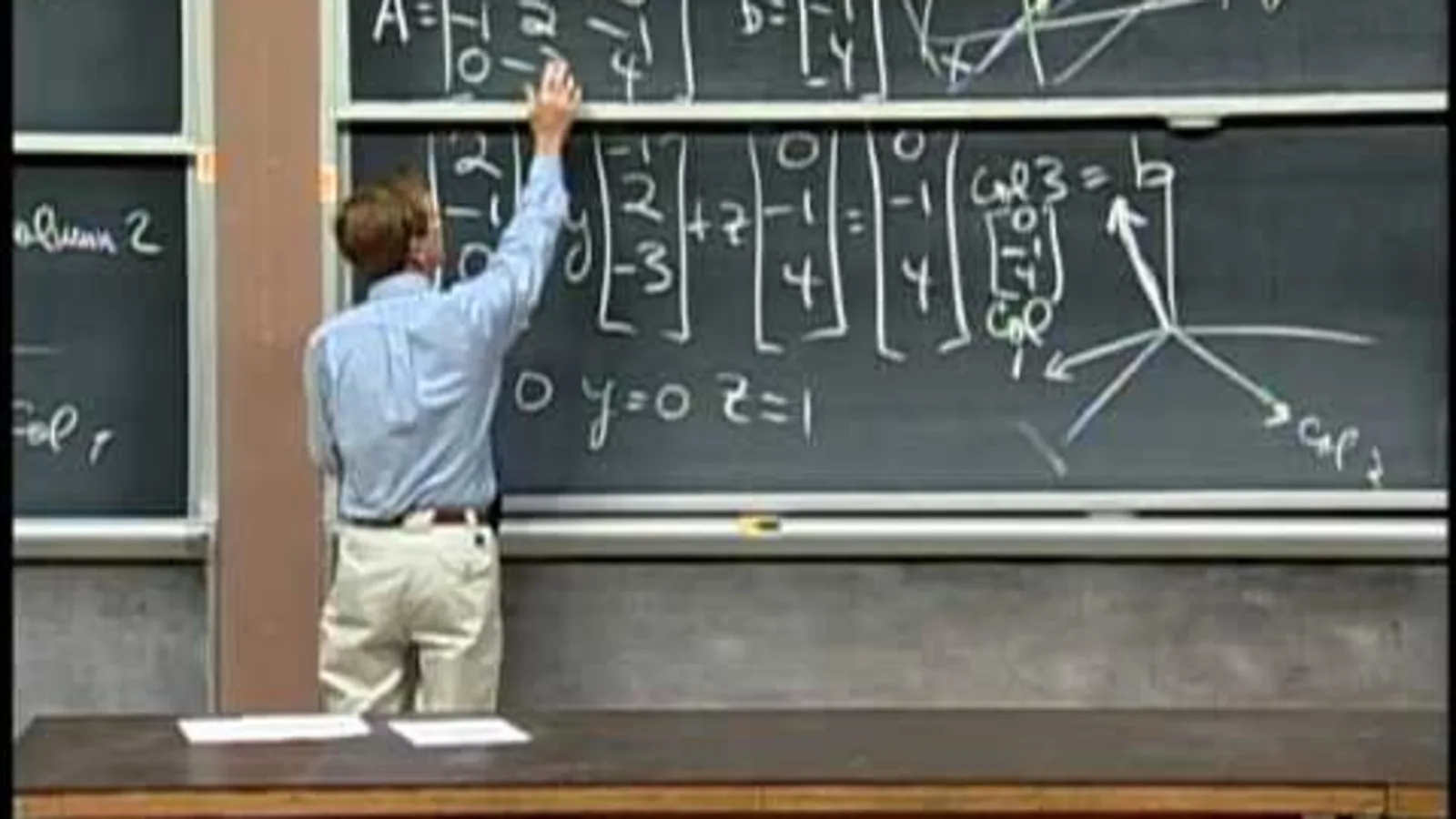
Visual learners rely on the AI reading diagrams and equations shown on screen during a lecture, not just the spoken audio, when they ask about a specific demonstration.
Study group members share access to one uploaded lecture or PDF and take turns asking questions when preparing for a test together.