YouTube to FLAC: Free Converters and Downloaders Compared

On this page
Here is the thing every “YouTube to FLAC” guide dances around: FLAC cannot make YouTube audio better than YouTube gave you.
YouTube streams lossy audio. Its own YouTube Music help page lists the settings: “Normal” is up to 128 kbps AAC and Opus, and “High” (Premium) is up to 256 kbps. That audio threw data away before you ever pressed download, and no codec puts it back. Wrap that stream in FLAC and you get a bit-perfect copy of a lossy file. Bigger, sure. Lossless, technically. Better sounding? No.
So why do people search yt to flac at all, and why does this page still exist? Because FLAC is useful for two things that have nothing to do with rescuing quality. It compresses losslessly, so the file is smaller than the same audio as WAV with identical sound, which is why it wins for archiving. And it carries proper tags and cover art (FLAC features), which WAV handles badly. If you are filing away a live set or a podcast you want to keep and label, FLAC is the right container. If you are hoping for audiophile sound out of a YouTube rip, no tool below will deliver it and the honest answer is to buy the record.
Only download or convert content you own or have permission to use. YouTube’s Terms of Service do not allow downloading content except where the service expressly allows it or YouTube gives written permission. The legitimate route for your own uploads is YouTube Studio, covered below.
Vendor information last verified: 18 September 2026.
For uncompressed lossless audio, see our YouTube to WAV converter guide. If the files are already sitting on your machine, you can extract audio from videos and skip the URL step entirely.
Below: how to get a video file you are allowed to keep, three free tools that turn it into FLAC, and why we dropped the URL-ripper websites this page used to list.
What FLAC does and does not do
FLAC stands for Free Lossless Audio Codec. Xiph describes it as a format “similar to MP3, but lossless”. It compresses without discarding data, which is the whole point and the only reason to prefer it over MP3.
The trade is simple. A FLAC file is smaller than the same audio as WAV, with nothing lost, but still several times larger than the MP3 you would have got instead. You are paying in storage for fidelity you may or may not be able to hear, on a source that was already compressed before it reached you.
Where this bites people: they convert a 128 kbps YouTube stream to FLAC, see the file balloon, and assume the size means quality. It does not. The size is just the cost of storing lossy audio in a lossless wrapper.
The Criteria for a Good YouTube to FLAC Converter
These are the criteria we used to pick the tools below. The picks are editorial judgement based on the vendors’ own pages, not lab tests:
- Ease of Use: The converter should have a user-friendly interface, making it easy for even non-tech-savvy users to navigate and convert files.
- Speed of Conversion and Download: An efficient converter should perform the conversion and download quickly, saving the user’s time.
- Quality of Audio Output: The converter must keep the original audio intact and write a real FLAC file.
- Safety and Privacy Considerations: The tool should be safe to use, without the risk of downloading malware or viruses. It should also respect the user’s privacy and not require unnecessary access to personal data.
- Compatibility with Different Operating Systems: The converter should work on Windows, macOS and Linux, or in any browser.
- Legitimate use: We only list tools that convert files you already have. We do not recommend sites or apps built to pull audio from YouTube or other services without permission.
The tools
The internet is full of tools claiming to be the best YouTube to FLAC converter. Most are the same website with a different logo. The three below are the ones worth knowing about: one thing you install, and two websites you upload a file to.
Step one: get a file you are allowed to keep
If the video is yours, YouTube lets you download it. In YouTube Studio, go to Content, pick the video, open the menu and choose Download. Per YouTube Help, you get an MP4 in 720p or 360p depending on the video size, you can download each video up to five times a day, and Google Takeout can export all your uploads at once.
If the video is someone else’s, ask the creator for the file or for permission.
Install this one: VLC
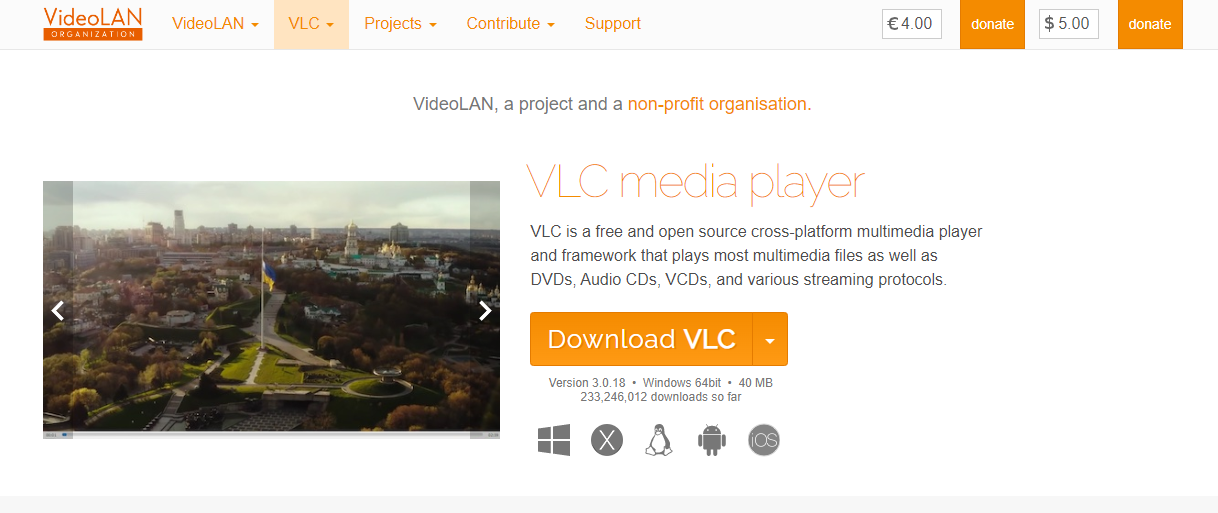
Our pick is VLC, because it is free, runs locally and has no ads (editorial judgement based on the vendor’s page).
VideoLAN describes VLC as free and open source, with “no spyware, no ads and no user tracking”, on Windows, macOS, Linux, Android and iOS. The current release on that page is 3.0.23. Everything happens on your machine, so there is no upload, no file size ceiling set by a website, and no waiting behind someone else’s queue.
The catch is real though: converting a file to FLAC in VLC means Media, then Convert/Save, then picking or creating an audio profile, and it is unintuitive the first time. Set aside ten minutes and a browser tab with the steps open.
VLC is no longer a reliable way to pull audio straight from a YouTube URL. The VLC 3.0.x changelog lists “Remove broken youtube.lua plugin” for the next release after 3.0.23. Use it on a file you already have.
The websites
They differ less than their marketing suggests. Both need an internet connection and both upload your file to someone else’s server, so skip them for anything private.
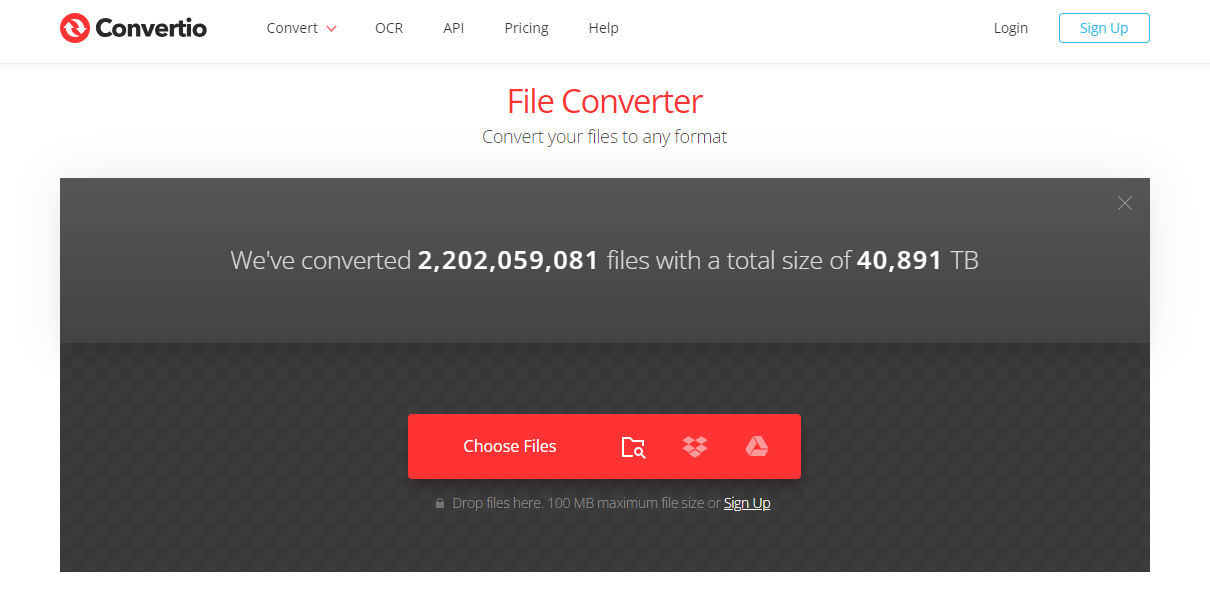
Convertio converts an uploaded file to FLAC. Its FLAC converter page says free conversion works without an account, its upload box shows a “1 GB maximum file size”, and it accepts files from your device, Google Drive, Dropbox or a direct file link. It does not mention YouTube links, so it is not a YouTube downloader.
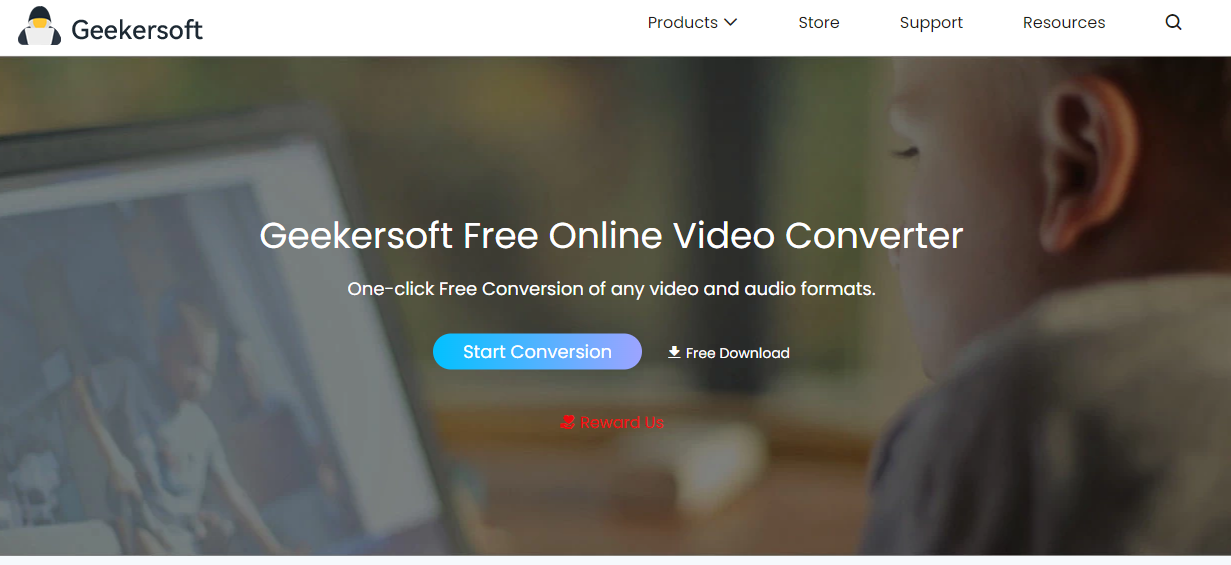
Geekersoft’s Free Online Video Converter lists FLAC among its output formats and says it needs no installation or registration. It works on files you upload. The page does not mention YouTube URLs or state a file size limit.
Tools we removed
Earlier versions of this page listed YT Saver, Catchvideo.net, “YouTube Converter” and “Download YouTube Video”. We removed them on 18 September 2026. YT Saver is a paid desktop downloader whose free trial is limited to 3 downloads, not a free website, and the same site sells streaming-music converters and paywalled-site downloaders we will not recommend. Catchvideo.net pulls video from YouTube and other sites by URL and does not list FLAC. The last two names are generic, and we could not tie them to one identifiable site.
When you want the words, not the audio
A chunk of people converting YouTube to FLAC are not chasing audio at all. They want what was said, and audio is just the format they assumed they had to go through. Lectures, interviews, podcasts. If that is the job, converting to FLAC is the long way round.
Paste the URL and ask for the transcript instead. Where the video already publishes captions, ScreenApp reads that caption track straight from YouTube instead of pulling the audio and running speech recognition over it. In our production timing for July 8 to 17, 2026, caption imports had a median of 14.7 seconds across 1,774 imports, with nine in ten inside 29 seconds. No captions on the video means the slow route, AI transcription of the audio, and a longer wait.
One catch worth knowing. Captions lifted from YouTube are YouTube’s own writing, mistakes included, and our published word error rates describe the AI transcription route rather than that one. If you are quoting someone in print, take the slow route. If you are hunting for the timestamp where they said the thing, the fast one is fine.
On pricing, plainly: the free plan gives you 2 transcriptions of recordings up to 45 minutes each, and it needs no card. YouTube link imports do not count against the free upload limit. The 7-day trial is on annual plans only and needs a card to start, then Pro is $19/mo billed annually. For one FLAC file, that is a bad trade and VLC is free. Start with a free account if the transcript side is what you are after.
Step-by-Step Guide on How to Use a YouTube to FLAC Converter
Here is the Convertio route, starting from a video file you are allowed to use:
- Download your own video from YouTube Studio (Content, then the video’s menu, then Download), or get the file from its owner.
- Go to Convertio’s FLAC converter.
- Choose the file from your device, Google Drive or Dropbox. The upload box shows a 1 GB maximum file size.
- Check that FLAC is selected as the output format.
- Click ‘Convert’ to start the conversion.
- Once the conversion is complete, download your FLAC file by clicking ‘Download’.
Steps might vary slightly depending on the converter you are using. Follow the instructions on the tool’s own page.
Tips and Tricks for Successful Conversion
To ensure a smooth and successful conversion process, consider the following best practices:
- Verify the Source: Check that the source audio is good before converting it to FLAC. The conversion process cannot improve poor source audio.
- Choose the Right Tool: Pick a converter that writes real FLAC output rather than relabelling another format.
- Be Patient: Uploading and converting a long video takes time. Let the tool finish.
Common issues that may arise during the conversion process include:
- Slow Conversion: This could be due to a slow internet connection or high server load on the converter’s side. If the conversion is taking too long, try refreshing the page or using VLC locally.
- Failed Conversion: This could be due to an issue with the source file or the converter. Check that the file plays, and try a different converter if necessary.
- Poor Quality Output: This is almost always the source. A low-bitrate source stays low quality in FLAC.
Understanding Audio Quality and File Sizes
When dealing with digital audio, two terms often come up: bit rate and sample rate. Understanding these can help you appreciate the difference in audio quality and file sizes between FLAC and MP3.
- Bit Rate: This refers to the amount of data processed per unit of time, measured in kilobits per second (kbps). Higher bit rates generally produce better sound quality but also larger file sizes.
- Sample Rate: This is the number of samples of audio carried per second, measured in kilohertz (kHz). A higher sample rate leads to a more accurate representation of the sound but also larger file sizes.
- FLAC vs. MP3: FLAC, being a lossless format, preserves all the audio data from the file you give it. That leads to larger file sizes than MP3. MP3 is a lossy format, which means it discards some audio data to achieve smaller file sizes.
Legal and Ethical Considerations
Downloading someone else’s YouTube video with a third-party tool is against YouTube’s Terms of Service unless YouTube expressly allows it or gives written permission. The terms let you view or listen to content for personal, non-commercial use, which is not the same as keeping a copy. Downloading and converting without permission may also infringe the creator’s copyright.
To stay within the rules:
- Convert videos you uploaded yourself, using YouTube Studio’s download option.
- Get permission from the creator before converting their content, and keep a record of it.
- Do not distribute converted files you do not have the rights to.
Future Trends in Audio Conversion
The world of digital audio keeps changing. Machine learning is already used in audio tools for tasks like noise reduction and speech recognition, and conversion tools may get faster and easier to use.
High-resolution audio may also push demand for lossless formats like FLAC. As storage and bandwidth get cheaper, the trade-off between file size and audio quality matters less.
Additional Resources
For readers who want to dig deeper into audio conversion, here are some additional resources:
- FLAC’s official website: technical details, tools and documentation.
- YouTube Help: download videos you’ve uploaded.
- VLC downloads for every major platform.
To play FLAC files, VLC and foobar2000 both support the format. Choose the one that suits your operating system and personal preferences.
| No. | Converter Name | Pros | Cons |
|---|---|---|---|
| 1 | VLC Media Player | Free and open source, runs locally, no ads, Windows, macOS, Linux, Android and iOS | Awkward Convert/Save dialog, no longer reliable for YouTube URLs |
| 2 | Convertio | Uploads from device, Google Drive or Dropbox, free without an account, 1 GB upload box limit | Uploads your file to a server, no YouTube links |
| 3 | Geekersoft Free Online Video Converter | No install or registration, lists FLAC output | Uploads your file to a server, no stated file size limit, no YouTube links |
So which one
VLC, for most people (editorial judgement). It is free, it is open source, nobody is monetising your attention while you wait, and it does the job on a file you already have. The interface is awkward the first time and the Convert/Save dialog will not make sense until you have used it twice. Accept that, and you never think about it again.
Use Convertio or Geekersoft when you cannot install anything. Convertio’s upload box shows a 1 GB maximum file size.
And keep the expectation straight. You are making a lossless copy of a lossy source. FLAC is the right container for archiving and tagging it. It is not a way to get the master back.
FAQ
Is "yt to flac" different from YouTube to FLAC?
No. Same thing, fewer keystrokes. People type yt to flac, yt flac, or youtube flac downloader depending on habit. If a site implies "yt" is some separate faster service, close the tab.
1. What is the best free YouTube to FLAC converter?
Our pick is VLC (editorial judgement), because it is free, open source and converts locally with no ads, per VideoLAN. For a browser option, Convertio and Geekersoft Free Online Video Converter both convert an uploaded file to FLAC. None of them should be used to pull someone else's video from YouTube. Start from a file you own, such as one downloaded from YouTube Studio.
2. Is it legal to convert YouTube videos to FLAC format?
Downloading YouTube content with third-party tools breaks YouTube's Terms of Service unless YouTube expressly allows it or gives written permission, and it may infringe copyright.
3. How does FLAC compare to MP3 for YouTube audio downloads?
FLAC (Free Lossless Audio Codec): - Keeps every bit of the audio you give it - Larger files than MP3 - No data loss during compression - Supports tags and cover art (FLAC features) MP3: - Smaller file sizes but compressed quality - Loses some audio data during conversion - Plays on more devices - Faster downloads and less storage needed
4. Can I convert YouTube playlists to FLAC in batch?
Not with the free tools on this page, which work one file at a time through their web pages or the VLC dialog. If the videos are yours, Google Takeout can export all your uploads at once (YouTube Help), and you can then convert the files.
5. What's the maximum video length I can convert to FLAC for free?
Free tool limits, per the vendors' pages: - Convertio: upload box shows a "1 GB maximum file size" (Convertio) - Geekersoft: No file size limit stated on the page - VLC Media Player: No website limit, as it runs on your computer
6. Why do some YouTube to FLAC converters fail to work?
Common reasons for converter failures: - Video restrictions: Age-restricted, private, or region-blocked content - Server overload: Free services often have capacity limits - YouTube changes: YouTube changes its systems often, which breaks URL-based tools.
7. Can I convert YouTube videos to FLAC on mobile devices?
Android and iPhone: VLC has Android and iOS apps (VideoLAN), and Convertio and Geekersoft run in a mobile browser. Be cautious of unofficial APKs that may contain malware. Best practice: Use reputable web-based converters or official app stores rather than downloading unknown mobile apps.
8. What audio quality should I expect from YouTube to FLAC conversion?
YouTube audio quality limitations: - Maximum source quality: lossy AAC or Opus. YouTube Music's help page lists up to 128 kbps on "Normal" and up to 256 kbps on "High" for Premium (YouTube Music Help) - FLAC conversion: Preserves whatever quality exists in the source - Reality check: Converting YouTube audio to FLAC won't improve quality beyond the original compressed audio
9. Are there any risks in using free YouTube to FLAC converters?
Potential risks: - Malware: Suspicious downloads or pop-up ads - Privacy concerns: Online converters upload your file to their servers - Legal issues: Copyright infringement and breaking YouTube's terms - Poor quality: Unreliable conversion results - Account safety: Never enter YouTube credentials on third-party sites Safe practices: Use reputable converters and avoid suspicious pop-ups.
10. How can I organize and manage my converted FLAC files?
Basic organization: - Create folders by artist, album, or genre - Use consistent naming conventions - Tag files with metadata (artist, title, year) - Consider dedicated music library software For spoken audio: ScreenApp transcribes audio and labels speakers, so you get searchable text alongside the files.